A) A.
B) B.
C) C.
D) D.
F) All of the above
Correct Answer

verified
Correct Answer
verified
B) False
Correct Answer
verified
Correct Answer
verified
A) unit elastic.
B) inelastic.
C) elastic.
D) None of the above is correct because a price increase always leads to an decrease in total revenue.
F) C) and D)
Correct Answer
verified
Correct Answer
verified
A) 0.67%.
B) 0.83%.
C) 1.20%.
D) 2.70%.
F) C) and D)
Correct Answer
verified
Correct Answer
verified
A) A
B) B
C) C
D) D
F) A) and B)
Correct Answer
verified
Correct Answer
verified
A) 0.3
B) 1
C) 1.8
D) None of the above could be correct.
F) A) and B)
Correct Answer
verified
Correct Answer
verified
A) peanut butter and jelly
B) celery and coffee
C) pens and pencils
D) iPods and iPads
F) A) and C)
Correct Answer
verified
Correct Answer
verified
A) supply curve is vertical.
B) supply curve is horizontal.
C) supply curve also has a slope equal to infinity.
D) quantity supplied is constant regardless of the price.
F) All of the above
Correct Answer
verified
Correct Answer
verified
A) 0.63, and supply is elastic.
B) 0.63, and supply is inelastic.
C) 1.60, and supply is elastic.
D) 1.60, and supply is inelastic.
F) A) and B)
Correct Answer
verified
Correct Answer
verified
A) elastic.
B) unit elastic.
C) inelastic.
D) highly responsive to changes in income as well as changes in prices.
F) All of the above
Correct Answer
verified
Correct Answer
verified
A) the equilibrium quantity decreases, and the equilibrium price is unchanged.
B) the equilibrium price increases, and the equilibrium quantity is unchanged.
C) the equilibrium quantity and the equilibrium price both are unchanged.
D) buyers' total expenditure on the good is unchanged.
F) A) and C)
Correct Answer
verified
Correct Answer
verified
A) 0.4.
B) 1.
C) 2.
D) 2.5.
F) None of the above
Correct Answer
verified
Correct Answer
verified
A) a 0.8 percent increase in the price of the good
B) a 2.4 percent increase in the price of the good
C) a 5 percent increase in the price of the good
D) a 8 percent increase in the price of the good
F) B) and C)
Correct Answer
verified
Correct Answer
verified
A) Price elasticity of demand = 
)
B) Price elasticity of demand = 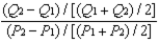
)
C) Price elasticity of demand = 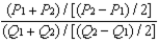
)
D) Price elasticity of demand = 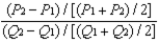
)
F) A) and C)
Correct Answer
verified
Correct Answer
verified
A) The demand for illegal drugs is inelastic.
B) Interdiction results in drug addicts having a greater need for quick cash.
C) Interdiction results in an increase in the amount of money needed to buy the same amount of drugs.
D) Government drug programs are more lenient now with drug offenders than they were in the 1980s.
F) B) and D)
Correct Answer
verified
Correct Answer
verified
A) normal or inferior.
B) elastic or inelastic.
C) luxuries or necessities.
D) complements or substitutes.
F) B) and C)
Correct Answer
verified
Correct Answer
verified
A) $1,500.
B) $2,500.
C) $3,500.
D) $4,500.
F) None of the above
Correct Answer
verified
Correct Answer
verified
A) buyers do not respond much to a change in price.
B) buyers respond substantially to a change in price, but the response is very slow.
C) buyers do not alter their quantities demanded much in response to advertising, fads, or general changes in tastes.
D) the demand curve is very flat.
F) B) and D)
Correct Answer
verified
Correct Answer
verified
B) False
Correct Answer
verified
Correct Answer
verified
A) both supply and demand are inelastic.
B) demand is elastic and supply is inelastic.
C) both supply and demand are elastic.
D) demand is inelastic and supply is elastic.
F) All of the above
Correct Answer
verified
Correct Answer
verified
Showing 361 - 380 of 625
Related Exams